
Introduction
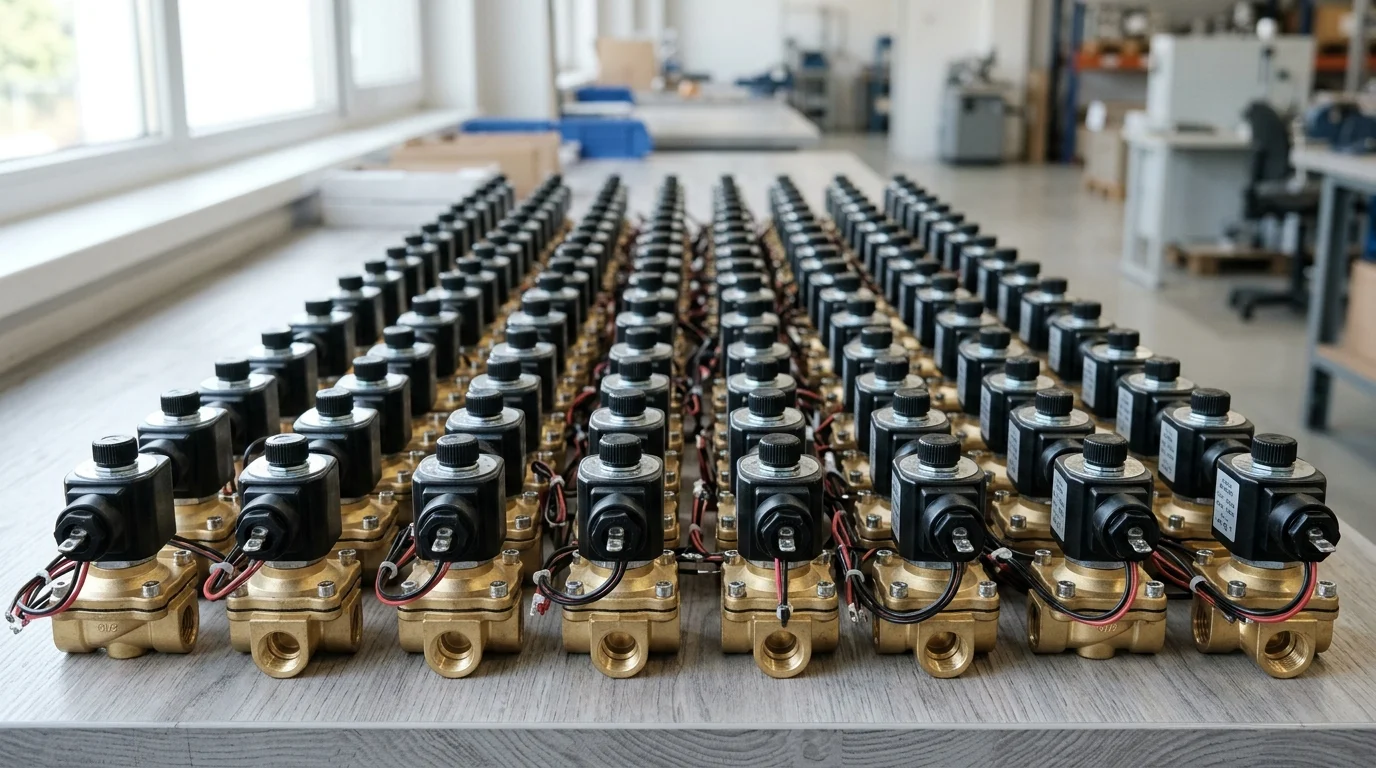
Sourcing bulk solenoid valves is not just a pricing exercise; it affects equipment uptime, lead times, and long-term operating costs. For manufacturers, distributors, and plant operators buying at scale, the right supplier can improve unit economics while reducing quality issues and supply risk. This article explains where to buy bulk solenoid valves at competitive prices, how to compare manufacturers, distributors, and OEM channels, and which factors matter beyond the quote, including certifications, minimum order quantities, customization, and delivery reliability. With that context, you can evaluate vendors more confidently and choose a purchasing approach that supports both budget targets and production continuity.
Why Buying Bulk Solenoid Valves Matters
Procuring bulk solenoid valves is a critical strategic operation for manufacturers, system integrators, and large-scale facility managers handling annual component volumes exceeding 10,000 units. These electromechanical devices are the operational backbone of automated fluid and gas control systems, governing flow across countless industrial applications. Transitioning from ad-hoc, low-volume purchasing to a structured bulk procurement strategy fundamentally alters a company’s operational efficiency and financial baseline.
Understanding the broader market dynamics of bulk procurement allows organizations to stabilize their supply chains against global disruptions. By engaging in high-volume purchasing, enterprises move beyond simple transactional relationships and establish integrated partnerships that yield measurable dividends in both unit economics and production reliability.
Impact on total cost
The most immediate advantage of bulk procurement is the substantial reduction in the total cost of ownership. Suppliers typically structure their pricing tiers around Minimum Order Quantities (MOQs). By committing to order volumes of 500 to 1,000 units per shipment, buyers can routinely secure unit cost reductions ranging from 15% to 30% compared to standard wholesale rates. Beyond the direct unit price, bulk purchasing consolidates freight expenses. Shipping a single container of 5,000 valves drastically lowers the per-unit logistics cost by an estimated 40% to 60% compared to executing ten separate air-freight shipments of 500 units over a fiscal quarter.
Furthermore, bulk purchasing insulates organizations from raw material price volatility. Copper (used in the solenoid coils) and brass or stainless steel (used in the valve bodies) are subject to significant commodity market fluctuations. Locking in bulk contracts at a fixed price point provides budgetary predictability, ensuring that a sudden 10% to 15% spike in copper prices does not immediately erode profit margins on finished assemblies.
Best-fit buyer types
The advantages of bulk purchasing are most pronounced for specific organizational profiles. Original Equipment Manufacturers (OEMs) producing commercial HVAC systems, agricultural irrigation equipment, and medical devices require a continuous, uninterrupted flow of standardized components. For these entities, any stockout of a critical solenoid valve immediately halts the entire production line, making high-volume, 30- to 60-day buffer stocks an operational necessity.
Large-scale maintenance operations, such as municipal water treatment facilities and petrochemical refineries, also represent ideal bulk buyers. These facilities utilize hundreds of identical valves across their infrastructure. Maintaining a centralized, bulk-purchased inventory ensures that routine maintenance and emergency replacements can be executed without waiting for critical parts, minimizing costly system downtime. Organizations matching these profiles should carefully review manufacturer profiles to verify that prospective partners have the historical capacity to support their specific industry demands.
Specifications to Compare Before Purchase
Securing a competitive price on a bulk order is only advantageous if the procured valves precisely match the engineering requirements of the intended application. Solenoid valves are highly specific components, and a mismatch in technical specifications can lead to catastrophic system failures, voided warranties, and significant safety hazards. A rigorous technical evaluation must precede any commercial negotiation.
Pressure, media, voltage, and port size
The foundational specifications dictate the valve’s physical compatibility with the system. Buyers must define the exact operating pressure range, typically measured in PSI or Bar. A standard commercial valve might be rated for 0 to 150 PSI (0 to 10.3 Bar), whereas specialized industrial variants must handle upwards of 500 PSI (34.5 Bar). The media being controlled—whether potable water, corrosive chemicals, steam, or compressed air—dictates the required materials for the valve body (e.g., brass, 304/316 stainless steel, or engineered plastics) and the internal seals (e.g., NBR for -10°C to 80°C, FKM/Viton for up to 150°C, or EPDM).
Electrical requirements are equally critical. The coil voltage must align with the system’s power supply, with common standards including 12V DC, 24V DC, 110V AC, and 220V AC. Specifying the correct port size and thread type (such as 1/4″, 1/2″, or 2″ NPT or BSPP) ensures seamless integration into existing piping infrastructure without the need for vulnerable adapters. Examining comprehensive solenoid valve product portfolios helps procurement teams cross-reference these exact specifications against available inventory.
Direct-acting vs pilot-operated
Selecting the correct actuation mechanism is a vital engineering decision that impacts both cost and functionality. Direct-acting valves utilize the magnetic field of the solenoid coil to physically lift the sealing armature, operating independently of line pressure. Pilot-operated (or internally piloted) valves utilize the line pressure itself to assist in opening and closing the main orifice, requiring a minimum pressure differential to function.
| Valve Actuation Type | Operating Pressure Requirement | Typical Response Time | Fluid Cleanliness Tolerance | Typical Application Constraints |
|---|---|---|---|---|
| Direct-Acting | 0 PSI minimum (operates in vacuum) | 5 to 50 milliseconds | High tolerance for minor particulates | Limited to smaller orifices and lower flow rates due to coil power limits |
| Pilot-Operated | Typically 10 to 15 PSI minimum | 50 to 150 milliseconds | Requires clean media (debris blocks pilot hole) | High-flow applications, large pipe diameters, municipal water mains |
When buying in bulk, specifying direct-acting valves for a high-flow system will result in unnecessarily massive, expensive coils. Conversely, deploying pilot-operated valves in a gravity-fed, zero-pressure system guarantees immediate operational failure.
Lifecycle, failure risk, and replacement planning
The anticipated lifecycle of the valve directly influences the procurement volume and acceptable price point. Industrial-grade solenoid valves are typically rated for a specific number of actuations, often ranging from 1 million to over 5 million cycles depending on the design and media. Procurement teams must calculate the expected daily cycle rate (e.g., 5,000 actuations per day) to estimate the component’s true lifespan.
Understanding failure risks—such as coil burnout from continuous energization or seal degradation from chemical incompatibility—allows buyers to implement accurate replacement planning. If a valve is expected to require seal replacements every 24 months, the bulk procurement strategy should either include a proportional volume of rebuild kits (typically 5% to 10% of the total order) or account for a rolling replacement schedule, ensuring total lifecycle costs remain optimized.
Where to Buy Bulk Solenoid Valves
Navigating the global supply chain for industrial components requires an understanding of the various tiers of suppliers. The source from which bulk solenoid valves are purchased dictates not only the final unit price but also the level of technical support, customization capabilities, and supply chain transparency available to the buyer.
OEMs, distributors, wholesalers, and online marketplaces
The supply ecosystem is broadly divided into four categories. Direct Original Equipment Manufacturers (OEMs) offer the lowest unit costs for massive volumes, cutting out middleman markups that typically range from 10% to 20%. However, OEMs often enforce strict MOQs, sometimes requiring orders exceeding 5,000 units. Authorized distributors and wholesalers bridge the gap, holding domestic inventory and offering lower MOQs (e.g., 100 to 500 units) at a slight 5% to 15% premium, providing faster local delivery.
Online B2B marketplaces have democratized access to overseas manufacturers, allowing buyers to quickly compare prices globally. While these platforms facilitate rapid discovery, they often obscure the true nature of the vendor, making it difficult to distinguish between a genuine factory with a 50,000-unit monthly capacity and a trading company merely acting as a broker.
Supplier due diligence
Thorough supplier due diligence is the primary defense against substandard components and fraudulent vendors. When evaluating a potential bulk supplier, buyers must verify the entity’s manufacturing footprint, financial stability, and historical performance. This involves requesting business licenses, reviewing independent factory audit reports, and verifying their quality management systems, such as ISO 9001:2015 certification.
A critical aspect of due diligence is assessing the supplier’s vertical integration. A manufacturer that winds its own copper coils and machines its own brass bodies internally will have significantly better control over final product quality and lead times compared to an assembly plant that outsources all sub-components. Requesting a detailed bill of materials and origin certificates for raw materials is a standard practice in rigorous procurement.
Private label, contract manufacturing, and long-term supply
For enterprise-level buyers, the relationship often extends beyond off-the-shelf purchasing. Contract manufacturing and private labeling allow companies to procure valves built to proprietary specifications or branded with their own corporate identity. This is particularly valuable for retail distributors or specialized OEMs who wish to maintain brand consistency across their entire equipment portfolio.
Establishing long-term supply agreements is vital for stabilizing these complex arrangements. Such contracts define fixed pricing windows, inventory holding responsibilities, and intellectual property protections. Buyers looking to formalize these ongoing relationships should carefully review dealer policy frameworks to understand the supplier’s commitment to market protection, warranty support, and structured volume rebates over a typical 24- to 36-month multi-year horizon.
Compliance, Quality, and Logistics Factors
The physical production of a valve is only one phase of the procurement lifecycle. Ensuring that the bulk order meets all legal requirements, maintains consistent quality across thousands of units, and arrives at the destination facility without logistical bottlenecks is equally critical to the success of the purchasing strategy.
Certifications, testing, and traceability
Industrial components must adhere to strict international standards. Depending on the geographical market and the application, valves may require CE marking for Europe, UL or CSA listing for North America, or RoHS compliance to certify the absence of hazardous substances. Environmental protections may also dictate IP65 or IP67 ratings for dust and water ingress. For specialized applications like potable water, NSF or WRAS certifications are mandatory, and lacking them can result in immediate legal liabilities.
Quality testing must be statistically rigorous. Buyers should negotiate specific Acceptable Quality Limit (AQL) standards within their purchasing contracts. For bulk solenoid valves, an AQL of 0.65 for critical defects (e.g., pressure leaks, coil shorts) and 1.5 for minor defects (e.g., cosmetic scratches) is an industry standard. Furthermore, traceability protocols—such as batch numbers laser-etched onto every valve body—ensure that if a defect is identified post-installation, the compromised production run can be isolated and recalled efficiently.
Packaging, lead times, Incoterms, and freight
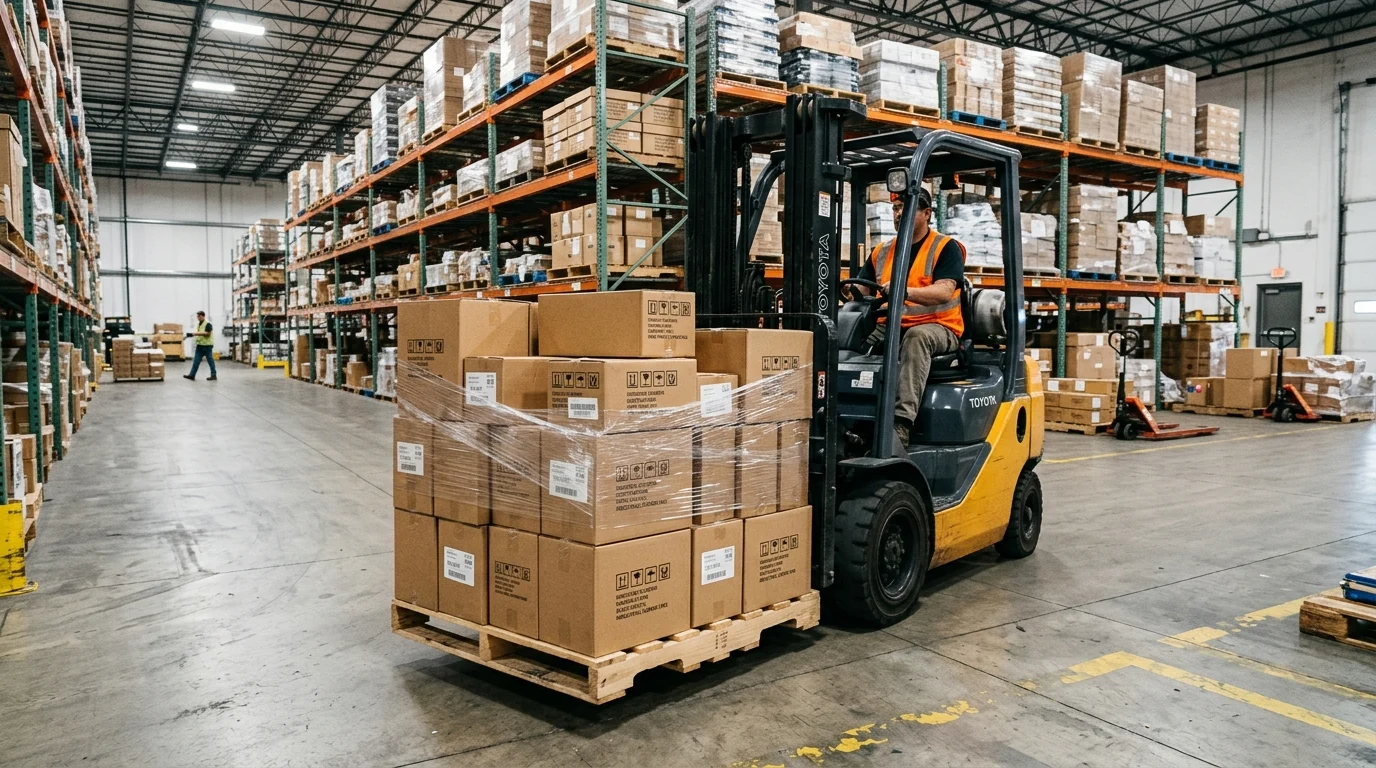
Logistics dictate the actual landed cost of the bulk order. Standard production lead times for bulk solenoid valves typically range from 30 to 45 days, but this does not account for transit, which can add 20 to 40 days for ocean freight. Proper packaging is essential; brass valves are heavy, and inadequate palletization can lead to crushed lower tiers during transit, especially when pallet weights exceed 1,000 kg.
Commercial terms govern the risk and cost of this transit. Buyers must clearly define the Incoterms for the transaction. Purchasing FOB (Free On Board) gives the buyer control over the primary shipping carrier and freight costs, which is often preferable for large enterprises with existing logistics networks. Conversely, CIF (Cost, Insurance, and Freight) places the burden of transport to the destination port on the supplier, which may be simpler but often includes hidden markups of 5% to 10% on the freight rates.
Inspection and sample approval
Before authorizing the final shipment of a massive bulk order, implementing strict inspection protocols is non-negotiable. The process begins with the approval of pre-production samples. Once the buyer engineers validate these initial units for dimensional accuracy and performance, mass production commences.
Prior to the container being loaded, a third-party pre-shipment inspection (PSI) should be conducted at the factory. These inspectors pull random samples according to the agreed AQL standards (often using ANSI/ASQ Z1.4 guidelines) to conduct visual, functional, and packaging checks. Only upon receiving a passing PSI report should the final balance of payment be released to the supplier, ensuring the buyer is protected from receiving a container of defective goods.
How to Choose the Right Supplier
Synthesizing technical requirements, supply chain logistics, and quality assurance protocols culminates in the final vendor selection. Choosing the right supplier for bulk solenoid valves is a strategic decision that requires a methodical, data-driven approach rather than relying solely on the lowest initial price quotation.
Vendor selection process
A structured vendor selection process begins with the issuance of a comprehensive Request for Quotation (RFQ).
Further reading:
Key Takeaways
- The most important conclusions and rationale for Bulk Solenoid Valves
- Specs, compliance, and risk checks worth validating before you commit
- Practical next steps and caveats readers can apply immediately
Frequently Asked Questions
Where can I buy bulk solenoid valves at competitive prices?
Buy directly from manufacturers or specialized suppliers like ZM-Inovato to get factory pricing, technical support, and stable supply for OEM or project orders.
What specifications should I confirm before placing a bulk solenoid valve order?
Check pressure range, media type, body and seal material, voltage, port size, thread standard, and whether you need direct-acting or pilot-operated valves.
How much can bulk purchasing reduce solenoid valve costs?
Large orders often cut unit prices by 15%–30% and lower per-unit freight costs when shipments are consolidated instead of bought in small batches.
Is it better to source bulk solenoid valves from a manufacturer instead of a trader?
Usually yes. A manufacturer like ZM-Inovato can offer better pricing, customization, quality control, and clearer production capacity for long-term supply.
Who benefits most from buying bulk solenoid valves?
OEMs, system integrators, and large maintenance teams benefit most because bulk stock helps prevent downtime, stabilize pricing, and ensure faster replacements.

