
How Can Farms Improve Water Conservation in 2026 by Upgrading to Drip Irrigation?
Drip irrigation represents the most significant water-saving technology available to modern agriculture in 2026. This method delivers water directly to plant root zones, reducing waste through evaporation and runoff. Farms that upgrade to drip irrigation systems can achieve water savings of 30 to 50 percent compared to traditional flood irrigation methods. The following guide examines practical strategies for implementing drip irrigation to maximize water conservation on your operation.
Understanding Drip Irrigation Technology
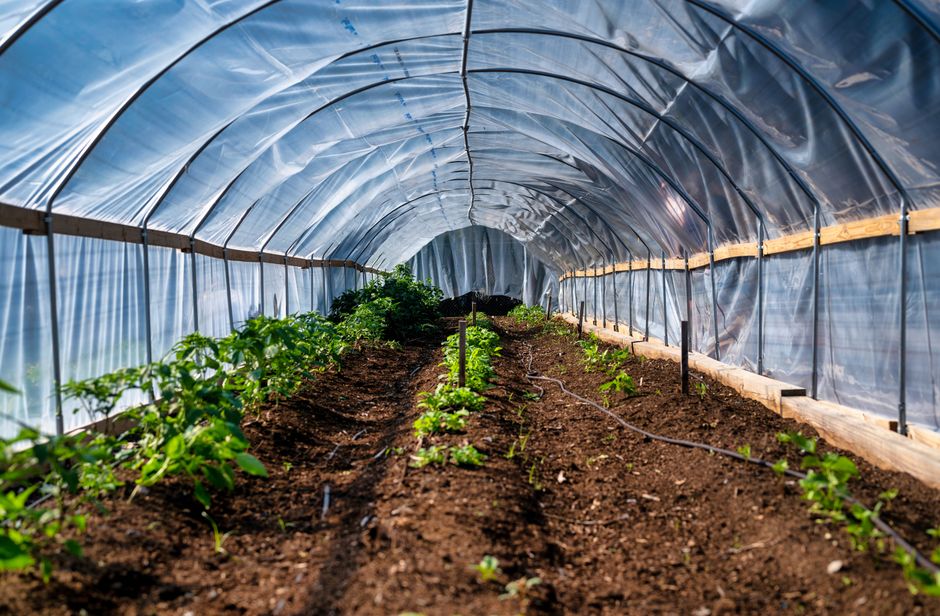
Drip irrigation, also known as trickle irrigation, applies water slowly and directly to the soil surface or root zone of plants. The system consists of network pipes, valves, emitters, and fittings that control water distribution. Modern drip systems can be automated with soil moisture sensors and weather-based controllers. These systems eliminate the inefficiencies common in overhead sprinkler and flood irrigation methods.
Key Components of a Drip Irrigation System
A complete drip irrigation system requires several essential components working together. These components ensure uniform water distribution across the entire field. Below is a comparison of core system elements.
| Component | Function | Water Savings Impact |
|---|---|---|
| Driplines with emitters | Delivers water at controlled rates | High |
| Filtration system | Prevents clogging of emitters | Medium |
| Pressure regulators | Ensures uniform flow rates | High |
| Control valves | Manages zone irrigation | Medium |
| Mini ball valves | Isolates sections for maintenance | Low |
Mini ball valves serve as critical isolation points within the drip system architecture. These small but essential fittings allow farmers to shut off specific zones without disrupting the entire field. The mini ball valve connection points also facilitate easier maintenance and troubleshooting during the growing season.
Water Conservation Benefits of Drip Irrigation
Drip irrigation provides substantial water conservation advantages over conventional irrigation methods. The targeted delivery system reduces water loss from wind drift, a common problem with sprinkler systems. Studies indicate that drip systems can reduce water usage by 30 to 50 percent while maintaining or increasing crop yields. This efficiency makes drip irrigation particularly valuable in water-scarce regions facing increasing regulatory pressure.
Planning Your Drip Irrigation Upgrade
Successful drip irrigation implementation requires careful planning before installation. Farm operators should conduct soil analysis to understand water-holding capacity and infiltration rates. Crop water requirements vary significantly, so developing site-specific irrigation schedules is essential. The planning phase should also account for water source capacity and quality. Contaminated or sediment-laden water can cause severe emitter clogging issues.
Site Assessment Steps
A systematic site assessment helps identify potential challenges and optimal system design. Consider the following evaluation factors before purchasing equipment.
- Field topography and slope gradients
- Soil type and drainage characteristics
- Available water supply volume and pressure
- Water quality testing for particulates
- Crop spacing and planting patterns
- Power source availability for automation
Selecting the Right Sprinkler Alternatives
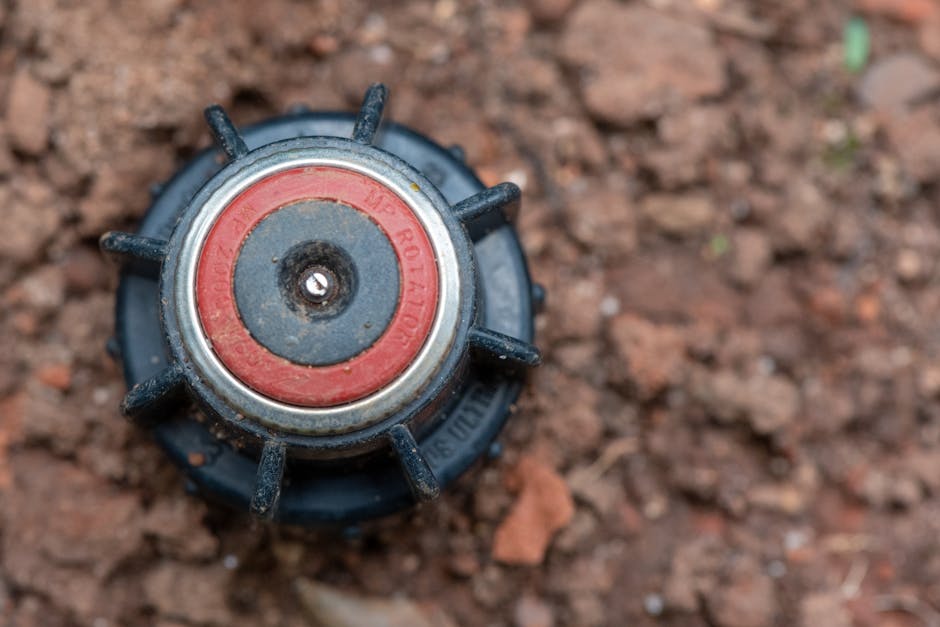
While drip irrigation offers the highest efficiency, some farming operations may benefit from hybrid approaches. Gear drive sprinklers provide coverage for frost protection and germination applications where drip systems fall short. The gear drive sprinkler category includes models suited for supplemental irrigation during specific crop stages. Many modern operations combine drip and sprinkler technologies strategically.
When to Use Gear Drive Sprinklers
Gear drive sprinklers serve specific functions that complement drip systems in agricultural settings. These devices excel at uniform coverage over irregular terrain and provide better germination support. The HF01 model offers coverage patterns ideal for row crops during early growth stages. Meanwhile, the HF02 variant provides higher precipitation rates suitable for larger field applications. Farmers should evaluate each situation individually before selecting equipment.
Valve and Connection Components
Proper valve selection ensures system reliability and simplifies maintenance operations. Valve boxes protect underground control valves from environmental damage and facilitate access. The VX series valve boxes provide durable housing for electronic and manual valves. Swing joint connections allow for adjustments and repairs without disturbing the main pipeline. These SJ swing joint components offer flexibility during installation and future modifications.
Mini Valve Technology for Zone Control
Mini valves provide precise zone control within drip irrigation systems. These compact valves enable variable rate irrigation across different crop sections. The Lucky Orange mini valve offers reliable performance at entry-level price points. Variable rate irrigation technology allows farmers to apply different water amounts to zones based on soil variability and crop demands.
Cost Considerations and Return on Investment
Drip irrigation systems require higher initial investment compared to conventional methods. However, the water savings and yield improvements typically generate positive returns within three to five years. The exact payback period depends on local water costs, crop values, and available subsidies. Many agricultural extension services offer cost-share programs for precision irrigation adoption.
Factors Affecting ROI
- Local water and energy costs
- Crop value per acre
- System design complexity
- Available government incentives
- Maintenance requirements over system lifespan
Maintenance Best Practices
Regular maintenance ensures long-term performance and water conservation benefits. Clogged emitters represent the most common cause of system failure. Flushing the system periodically removes sediment and biofilm accumulation. Chemical treatment may be necessary for biological clogging from algae or bacterial growth. Maintaining proper filtration is the most effective preventive measure against emitter clogging. For farms implementing automated monitoring systems, following NIST cybersecurity guidelines protects operational data and control systems.
Automation and Smart Controls
Modern drip irrigation systems benefit significantly from automation technology. Soil moisture sensors trigger irrigation based on actual plant water needs rather than fixed schedules. Weather-based controllers adjust watering in response to rainfall and evapotranspiration data. These smart systems optimize water usage automatically, reducing waste from human error and oversight. Integration with farm management software enables remote monitoring and control from any location.
Regulatory and Environmental Considerations
Water regulations are becoming stricter across many agricultural regions. Drip irrigation helps farmers comply with water use restrictions while maintaining productivity. The precision application also reduces nutrient leaching and groundwater contamination. Environmentally conscious water management protects farm operations from future regulatory constraints. Sustainable practices also support market access for eco-conscious consumers. Farmers should ensure their digital platforms meet accessibility standards when marketing their products online.
Getting Started with Your Upgrade
Transitioning to drip irrigation requires methodical implementation to avoid costly mistakes. Start with a pilot area to test equipment performance before full-scale deployment. Document system performance and water savings to evaluate effectiveness. Expand the system progressively as you gain experience and confidence. Consulting with irrigation specialists during design ensures optimal component selection and layout.
Frequently Asked Questions
How much water can drip irrigation save compared to flood irrigation?
Drip irrigation typically saves 30 to 50 percent of water compared to traditional flood irrigation methods while maintaining or improving crop yields.
What is the typical payback period for drip irrigation systems?
Most drip irrigation systems achieve positive return on investment within three to five years, depending on water costs, crop values, and available subsidies.
Can drip irrigation work for all crop types?
Drip irrigation suits most row crops, vegetables, orchards, and vineyards. Field crops with very wide spacing may have higher installation costs per acre.
How often should drip systems be flushed?
Systems should be flushed at least monthly during the growing season and after any maintenance work that disturbs the pipeline.
What causes emitter clogging in drip systems?
Emitter clogging results from sediment, algae, bacterial biofilm, or mineral deposits. Proper filtration and water treatment prevent most clogging issues.
Are there government programs to help fund drip irrigation?
Many states and federal programs offer cost-share assistance for precision irrigation adoption. Contact your local agricultural extension office for available programs in your area.

