
Introduction
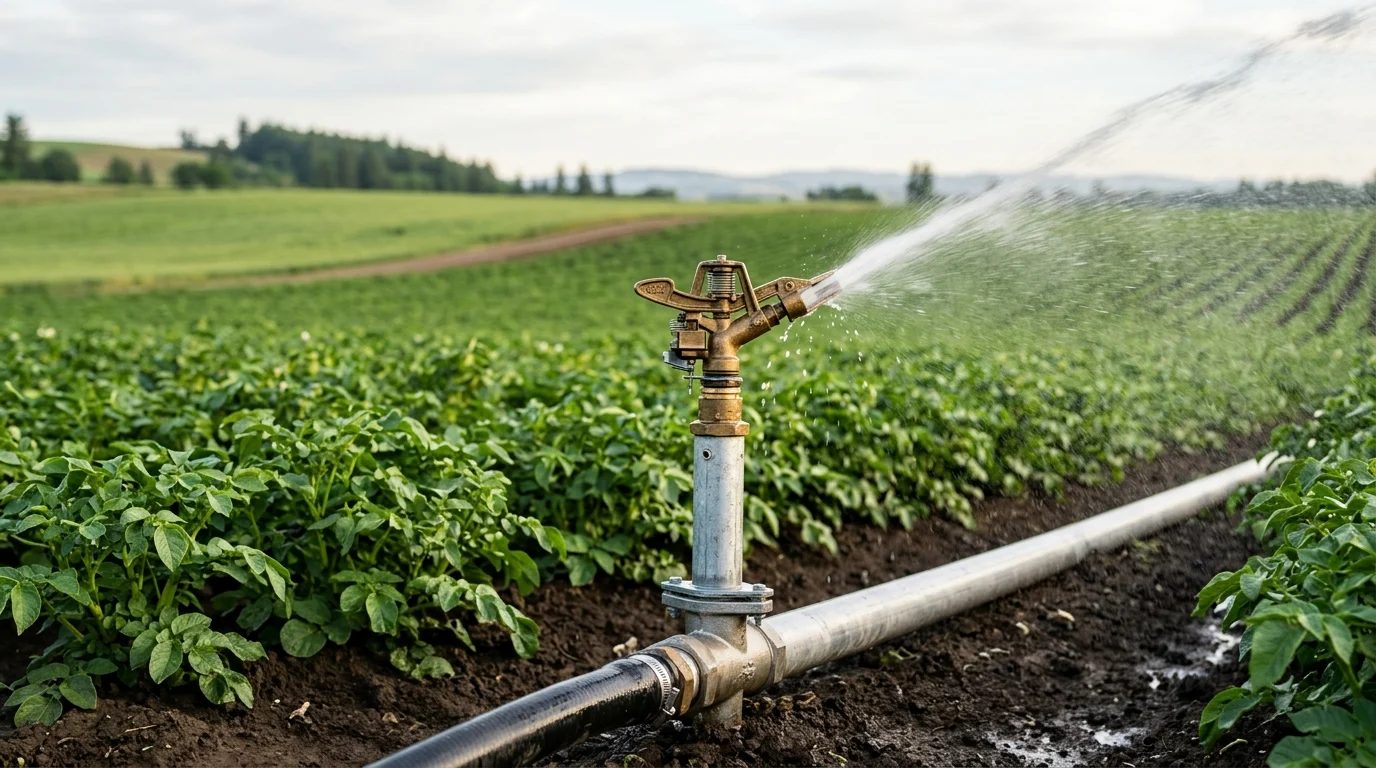
Choosing irrigation equipment is not just a purchasing task; it affects water efficiency, crop performance, maintenance demands, and long-term operating costs. A reliable supplier helps reduce the risk of part failures, delivery delays, inconsistent product quality, and weak after-sales support that can disrupt farm operations at critical times. This article explains how to evaluate agricultural irrigation equipment suppliers using practical criteria such as product durability, technical capability, certifications, spare-parts availability, and service responsiveness. By the end, you will have a clear framework for comparing vendors and selecting a partner that supports both immediate field needs and long-term farm productivity.
Why Reliable Agricultural Irrigation Equipment Suppliers Matter
Securing the right infrastructure is paramount for modern agricultural operations. The procurement of agricultural irrigation equipment represents a significant capital expenditure, and the chosen supplier directly influences the operational efficiency and profitability of a farm.
How do supplier reliability, equipment performance, and total cost connect
The relationship among a supplier’s reliability, equipment performance, and total cost of ownership (TCO) is inseparable. High-quality irrigation components ensure precise water delivery, which optimizes crop yields and minimizes resource waste. For example, a mere 15% drop in irrigation distribution uniformity can reduce crop yields by up to 20%, drastically impacting revenue.
When buyers partner with established agricultural irrigation equipment manufacturers, they benefit from lower maintenance requirements and extended operational lifespans. This shifts the financial focus from short-term capital expenditure (CAPEX) to long-term operational expenditure (OPEX) savings.
Which supplier failures create the biggest operational risks
Subpar supplier performance introduces severe operational vulnerabilities. The most critical risks stem from component failure, such as defective solenoid valves or weak PVC pipe joints. A sudden valve failure can cause a water hammer effect, leading to catastrophic pipeline bursts.
During peak growing seasons, unplanned downtime to repair these failures can cost commercial farms upwards of $5,000 per day in lost productivity and emergency repair expenses. Furthermore, suppliers who fail to maintain consistent inventory levels or honor lead times can delay critical planting or harvesting schedules, compounding financial losses.
What to Evaluate When Comparing Irrigation Equipment Suppliers
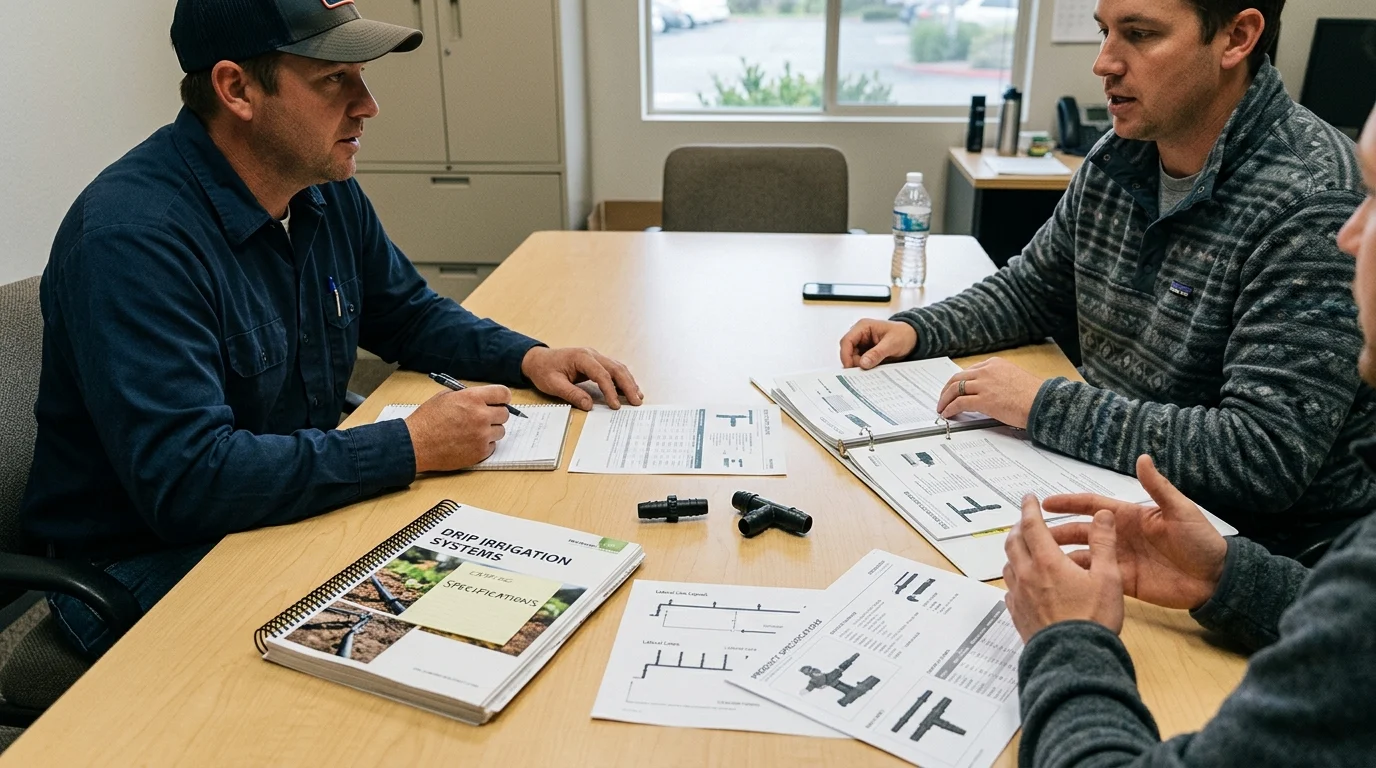
A rigorous evaluation process separates industry-leading manufacturers from low-tier assemblers. Buyers must look beyond basic marketing materials to analyze technical specifications, material quality, and logistical capabilities.
Which product categories, specifications, and applications should buyers compare
Agricultural operations require diverse irrigation solutions, ranging from micro-drip systems for orchards to center-pivot systems for broadacre crops. Buyers must compare technical specifications such as maximum operating pressure, flow rates, and filtration requirements.
For instance, comparing a PN10 pipe (rated for 10 bar) against a PN16 pipe (rated for 16 bar) is essential depending on the farm’s topography and pump capacity. Additionally, buyers should evaluate the supplier’s catalog depth to ensure they can provide holistic systems rather than piecemeal components.
How can buyers assess manufacturing quality and component traceability
Manufacturing quality dictates the longevity of the equipment in harsh environmental conditions. Buyers should verify whether the agricultural irrigation equipment is manufactured using 100% virgin polyethylene (PE) or polyvinyl chloride (PVC) with UV inhibitors, as opposed to degraded recycled plastics that become brittle under sunlight.
Component traceability is equally important. Reputable suppliers print batch numbers, manufacturing dates, and pressure ratings directly on pipes and fittings, allowing for rapid identification and recall management if defects arise.
What comparison table helps clarify price, lead time, and service differences
Organizing supplier data into a standardized comparison framework clarifies the trade-offs among different vendors. The following table illustrates how buyers can evaluate key commercial and logistical metrics across potential partners.
| Evaluation Metric | Supplier A (Premium OEM) | Supplier B (Value Distributor) | Supplier C (Local Wholesaler) |
|---|---|---|---|
| Minimum Order Quantity (MOQ) | $10,000 | $2,000 | No MOQ |
| Standard Lead Time | 4-6 Weeks | 8-12 Weeks | 1-2 Weeks (In Stock) |
| Defect Replacement Policy | 5-Year Full Warranty | 1-Year Limited Warranty | 30-Day Return |
| System Design Support | Included (In-house Engineers) | Outsourced (Extra Fee) | None |
How to Verify Compliance, Quality Control, and Supply Capacity
Objective verification of a supplier’s quality control systems and production capacity is non-negotiable. Relying solely on a supplier’s claims without documentary evidence exposes the buyer to compliance and quality risks.
Which certifications, test records, and documents confirm compliance
Reputable suppliers maintain certifications that validate their adherence to international standards. Buyers should request ISO 9001 certificates for quality management systems and specific product certifications like ISO 9261 for agricultural irrigation emitters.
Compliance records should demonstrate rigorous testing, such as ensuring drip emitters maintain a flow rate coefficient of variation (CV) of less than 0.05 (5%). Additionally, electrical components like automated irrigation controllers must carry relevant safety marks, such as CE or UL, to ensure safe integration into farm infrastructure.
How should buyers assess factory audits, quality assurance, and production capacity
Conducting a factory audit—whether in-person or via a qualified third-party inspection agency—provides critical insights into a supplier’s actual capabilities. Auditors should assess the condition of injection molding machines, the cleanliness of the production floor, and the presence of an in-house testing laboratory.
Quality assurance protocols must include hydrostatic burst pressure testing, typically requiring components to withstand 2.5 times their standard working pressure without failing. Furthermore, verifying production capacity is essential; a supplier claiming they can support large commercial projects should demonstrate the ability to produce high volumes, such as 500,000 meters of drip tape per day, to guarantee timely order fulfillment.
What Is the Best Sourcing Process for Finding Reliable Suppliers
Executing a structured sourcing strategy ensures that buyers engage with vetted manufacturers capable of meeting specific agricultural demands. A methodical approach streamlines communication and secures favorable commercial terms.
Which sourcing channels are most effective
Identifying potential suppliers begins with utilizing the right channels. Global agricultural trade shows, such as Agritechnica or EIMA, provide opportunities to inspect equipment firsthand and meet engineering teams.
Industry-specific B2B directories and agricultural trade associations also serve as reliable databases for established manufacturers. Engaging directly with manufacturers through their official portals can expedite the initial vetting process.
How should buyers shortlist suppliers and request quotations
Once a longlist is compiled, buyers should shortlist candidates based on their demonstrated expertise in the required product category. The Request for Quotation (RFQ) must be highly detailed to prevent miscommunication.
An effective RFQ includes comprehensive technical drawings, precise performance requirements (e.g., pressure-compensating drip emitters delivering exactly 2.0 L/h), and site-specific environmental data, such as water quality metrics (e.g., Total Dissolved Solids < 1000 ppm). Clear RFQs force suppliers to provide accurate pricing rather than optimistic estimates.
What negotiation points matter most for pricing, Incoterms, payment terms, and support
Negotiating with shortlisted suppliers requires balancing upfront costs with risk mitigation. Buyers must align on Incoterms to define shipping responsibilities; for instance, FOB (Free on Board) gives the buyer control over ocean freight, while CIF (Cost, Insurance, and Freight) places that burden on the supplier.
Payment terms are a critical lever for securing leverage. A standard structure of 30% advance payment via T/T and a 70% balance paid against the Bill of Lading (B/L) protects the buyer from non-delivery. Finally, establishing clear communication channels for after-sales support is vital, a process often initiated through a formal agricultural irrigation equipment inquiry to test response times.
How to Make the Final Supplier Selection
The culmination of the sourcing process is selecting the supplier that offers the best holistic value. This decision must rely on objective data and a clear understanding of long-term operational impact.
Which scorecard criteria support the final decision
A weighted supplier scorecard removes emotional bias from the final decision. By assigning specific weights to various criteria based on project priorities, buyers can mathematically determine the most suitable partner.
| Evaluation Criteria | Weight (%) | Scoring Metric (1-10) | Minimum Acceptable Score |
|---|---|---|---|
| Product Quality & Compliance | 40% | Certifications, defect rate, material specs | 8/10 |
| Total Cost & Pricing Structure | 30% | Unit price, payment terms, TCO | 7/10 |
| Production & Delivery Lead Times | 20% | Capacity, on-time delivery history | 7/10 |
| After-Sales Support & Warranty | 10% | Technical assistance, replacement speed | 6/10 |
How can buyers balance price, technical fit, compliance, delivery, and after-sales service
Balancing these factors requires a deep understanding of the total cost of ownership (TCO). A supplier offering equipment at a 15% cheaper upfront price might utilize inferior plastics, resulting in a 30% increase in maintenance and replacement costs over a 5-year operational lifecycle.
Technical fit must align with the farm’s specific agronomic needs, while compliance ensures regulatory and environmental safety. Ultimately, delivery reliability and robust after-sales service act as insurance policies against catastrophic crop failure. By weighing these variables, agricultural operators can forge resilient supply chain partnerships that drive sustainable growth.
Further reading:
Key Takeaways
- The most important conclusions and rationale for agricultural irrigation equipment
- Specs, compliance, and risk checks worth validating before you commit
- Practical next steps and caveats readers can apply immediately
Frequently Asked Questions
What should I check first when choosing an agricultural irrigation equipment supplier?
Start with product fit, pressure ratings, material quality, lead time, and warranty. Ask for batch-marked samples and recent test reports before comparing price.
How can I verify irrigation equipment quality before placing a bulk order?
Request ISO certificates, product test records, and sample parts. Check for virgin PE/PVC, UV resistance, printed batch numbers, and clear pressure ratings on pipes and fittings.
Why is total cost more important than the lowest quote?
Low prices can mean weaker components, more downtime, and higher repair costs. Compare lifespan, replacement policy, maintenance needs, and delivery reliability, not just upfront cost.
What supply risks should farms ask suppliers about?
Ask about stock availability, peak-season lead times, spare parts support, and defect replacement speed. Delays or valve and fitting failures can interrupt irrigation and hurt yields quickly.
Where can buyers review irrigation product categories and support options from ZM-INOVATO?
Buyers can review available agricultural irrigation equipment and system options on zm-inovato.com/products/, then ask about technical specifications, application fit, and order support.


