
How Do You Size Fittings Correctly for Agricultural Farm Drip Systems?
Sizing fittings correctly for agricultural farm drip systems determines water distribution uniformity, system longevity, and crop yield outcomes. Incorrect fitting dimensions cause pressure losses, leaks, and uneven irrigation across the field. This guide covers the complete process of selecting appropriate fittings based on pipe diameter, flow requirements, pressure ratings, and application conditions.

Understanding Drip System Fitting Basics
Drip irrigation fittings connect pipes, tubing, valves, and emission devices into a complete irrigation network. Fittings include emitters, connectors, adapters, elbows, tees, reducers, and end caps. Each component must match the pipe specifications and operating pressure of the system. Mismatched fittings create friction losses and system failures.
The primary function of fittings in drip systems is maintaining consistent water flow from the water source to each plant. Agricultural applications require fittings that withstand UV exposure, chemical fertilizers, and soil pressure. Quality fittings ensure the system operates at design specifications throughout the growing season.
Key Parameters for Fitting Selection
Three parameters determine fitting size requirements: pipe diameter, operating pressure, and flow rate. Pipe diameter establishes the physical connection size. Operating pressure determines the fitting pressure class rating. Flow rate affects the fitting capacity and potential pressure drop calculations.
Before purchasing fittings, measure the outer diameter of your main line and submain pipes. Common agricultural drip pipe sizes range from 16mm to 32mm for submains and 4mm to 8mm for driplines. Recording these measurements prevents ordering incompatible components.
Matching Fitting Sizes to Pipe Diameter
Fitting nominal size refers to the pipe diameter it accommodates, not the fitting’s physical dimensions. A 16mm fitting accepts pipes with 16mm outer diameter. Some manufacturers produce metric and imperial sizes that appear similar but do not seal properly. Always verify exact measurements before purchase. For smaller valve applications, consider a Mini Ball Valve which provides reliable shut-off control.
Barbed fittings require insertion depth calculations. The barb must penetrate the pipe sufficiently to create a watertight seal while allowing proper clamp placement. Standard insertion depth equals 1.5 times the pipe diameter. This measurement ensures adequate sealing surface area.
Pressure Rating Considerations
Agricultural drip systems typically operate between 0.5 to 3.0 bar pressure. Fittings must have pressure ratings exceeding maximum system operating pressure by 25%. This safety margin accommodates pressure surges from pump cycling and water hammer effects.
Low-pressure systems under 1 bar can use basic polyethylene fittings. Medium-pressure systems between 1-2 bar require reinforced or brass fittings. High-pressure applications above 2 bar demand Schedule 40 or Schedule 80 fittings with appropriate pressure ratings. Using under-rated fittings causes blowouts and system failures.
Flow Rate and Friction Loss Calculations
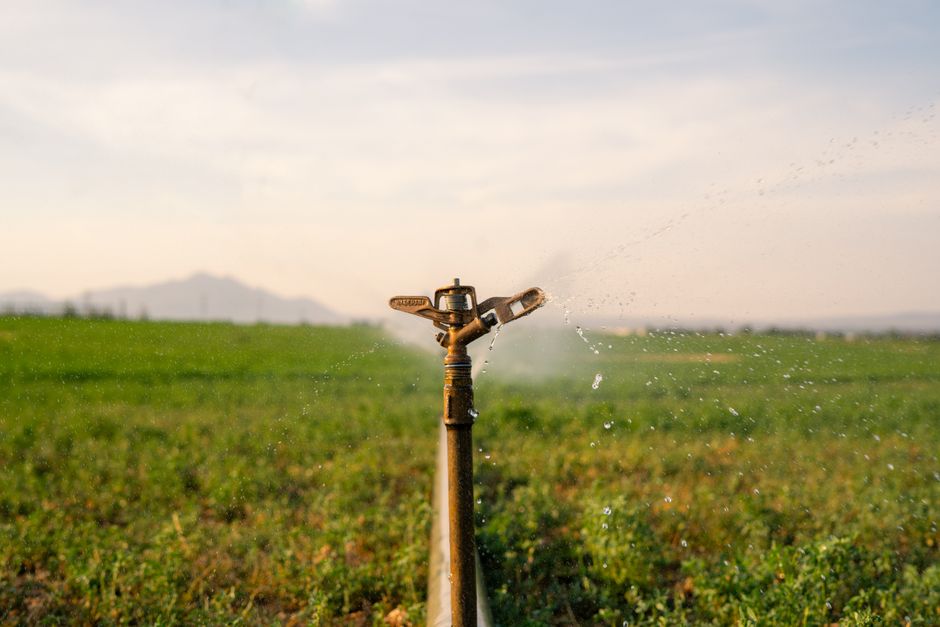
Flow rate through fittings creates friction losses that reduce pressure at emission points. Each fitting type has a specific loss coefficient. Elbows and tees generate higher losses than straight connectors. Manufacturers publish flow loss data for each fitting model. For sprinkler systems requiring precise water distribution, Gear Drive Sprinkler technology offers consistent throw patterns and flow rates.
For systems with long pipe runs, calculate cumulative friction losses from all fittings. Add this value to elevation changes and minimum operating pressure requirements. The total determines pump specifications and main line sizing. Underestimating these losses causes poor performance in downstream sections.
Types of Fittings for Agricultural Drip Systems
Compression fittings use a barbed insert with an outer compression ring. They provide reliable connections that disconnect cleanly for maintenance. These fittings work well with polyethylene and vinyl tubing in agricultural applications. Mini valves often use compression fitting connections for flow control.
Barbed fittings require clamps or crimp rings for secure attachment. They offer cost-effective solutions for permanent installations. Barbed designs work best with soft-walled drip tubing that conforms tightly around the barb. Proper clamp placement prevents blow-offs during pressure cycling.
Threaded fittings provide leak-free connections when properly sealed with Teflon tape or pipe dope. NPT (National Pipe Thread) and BSP (British Standard Pipe) threads are not interchangeable. Mismatched thread types create leaks that waste water and damage equipment.
Valve Selection and Sizing
Control valves regulate water flow to specific irrigation zones. Valve size should match the pipe diameter for minimal friction loss. Undersized valves create excessive pressure drop. Oversized valves cost more and provide poor throttling control at low flows.
Air release valves prevent vacuum conditions during system drainage. Sizing these valves depends on pipe diameter and drainage rate requirements. Valve boxes protect above-ground valves from environmental damage and provide access for maintenance.
Connection Methods and Best Practices
Proper connection procedures ensure leak-free fittings throughout the system lifespan. Clean pipe ends before insertion to remove debris and soil particles. Lubricate barb insertions with water-based lubricant for easier assembly. Avoid petroleum-based products that degrade plastic components. When connecting sprinklers to main lines, SJ Swing Joint assemblies provide flexibility and easy adjustment.
For compression fittings, hand-tighten before final torque specification. Over-tightening compresses fittings beyond design limits and causes cracks. For clamped barbed fittings, use two clamps per connection: one on the barb shoulder and one at the pipe end. Position clamps 180 degrees apart for even sealing pressure.
Common Sizing Mistakes to Avoid
Many farmers select fittings based on price rather than specifications. Cheap fittings often have thin walls that fail under pressure cycling. Investing in quality fittings from reputable manufacturers reduces long-term maintenance costs and system downtime.
Mixing manufacturers within the same system creates compatibility issues. Each company uses slightly different barb angles and sealing surfaces. Stick with one manufacturer for all fittings within a given pipe size. This practice ensures consistent connection quality across the entire system.
Ignoring temperature effects causes fitting failures in extreme climates. Plastic fittings expand and contract with temperature changes. Allow extra insertion depth in cold climates. Use expansion joints in systems with large temperature variations throughout the year.
Maintenance and Inspection Schedule
Regular inspection prevents fitting failures before they damage crops. Check all connections at the beginning of each growing season. Look for signs of stress cracking, fitting deformation, or leak moisture around connections. Early detection allows simple repairs before system shutdowns occur. Following ISO Standards for irrigation equipment ensures consistent quality and performance.
Replace fittings showing any cracking, discoloration, or deformation immediately. UV radiation degrades plastic over time, especially in above-ground applications. Schedule fitting replacements based on manufacturer recommendations and field inspection results.
Fitting Size Selection Checklist
- Measure pipe outer diameter with calipers for accuracy
- Verify pressure rating exceeds maximum system pressure by 25%
- Calculate total flow requirements for each zone
- Account for friction losses in system design
- Select compatible fitting materials for water chemistry
- Plan for future expansion with modular components
- Keep spare fittings for emergency repairs
Summary and Recommendations
Proper fitting sizing requires matching pipe dimensions, pressure ratings, and flow capacities. Take accurate measurements before purchasing any components. Select fittings rated above maximum operating pressure. Consider friction losses in system design calculations. Use quality components from established manufacturers for reliable performance. For high-flow sprinkler applications, HF02 models provide excellent coverage area.
For complex drip systems with multiple zones, consult with irrigation specialists for professional sizing assistance. Proper initial design prevents costly retrofits and crop losses. Document all fitting specifications for future maintenance and system expansion planning.
Frequently Asked Questions
How do I determine the correct fitting size for my drip pipe?
Measure the outer diameter of your drip pipe using calipers. Match this measurement to the nominal fitting size. A 16mm pipe requires a 16mm fitting. Always verify exact dimensions as some manufacturers use slight variations.
What pressure rating do agricultural drip system fittings need?
Agricultural drip systems typically require fittings rated at least 25% above maximum operating pressure. For most systems, fittings rated for 3-4 bar pressure provide adequate safety margins for pressure surges and water hammer events.
Can I mix different manufacturers’ fittings in my drip system?
Mixing manufacturers is not recommended. Different companies use varying barb angles, sealing surfaces, and manufacturing tolerances. These differences can cause leaks even when fittings appear compatible. Stick with one manufacturer per pipe size.
How often should I replace drip system fittings?
Fitting replacement frequency depends on material quality, UV exposure, and operating conditions. Inspect fittings annually and replace any showing cracks, discoloration, or deformation. Quality fittings typically last 5-10 years in agricultural service.
What causes fitting blow-offs in drip irrigation systems?
Blow-offs occur when fitting pressure ratings are insufficient for system pressure or when connections are improperly installed. Causes include undersized fittings, missing clamps, damaged pipe ends, and excessive pressure surges from pump cycling.


