
How Can Smart Sprinklers Help Reduce Water Waste in Public Gardens?
Smart sprinklers represent a transformative technology for public gardens seeking to minimize water waste while maintaining healthy landscapes. These automated irrigation systems use real-time data and precision controls to deliver water only when and where plants need it, addressing the critical challenge of water conservation in urban green spaces. By integrating sensors, weather forecasts, and automated valves, smart sprinkler systems can reduce water consumption by 20-50% compared to conventional irrigation methods.

Understanding Smart Sprinkler Technology
Smart sprinkler systems combine multiple technological components to create an intelligent irrigation network. At their core, these systems rely on soil moisture sensors that continuously measure water content at various depths in the planting beds. The sensors communicate with a central controller that analyzes the data alongside weather information to determine optimal watering schedules.
The hardware typically includes gear drive sprinkler models that provide consistent water distribution across designated zones. These precision-engineered devices offer adjustable spray patterns and throw distances, allowing landscape managers to customize coverage for different plant types. The integration of high-efficiency components like HF01 and HF02 sprinklers ensures uniform water application with minimal evaporation losses.
Key Water-Saving Mechanisms
Smart sprinklers employ several interconnected mechanisms to reduce water waste in public garden settings. Weather-responsive scheduling stands as the primary feature, where systems automatically adjust watering frequency based on rainfall, humidity, and temperature data. When precipitation is detected, the system postpones irrigation cycles, preventing redundant water application.
Soil moisture-based triggering represents another critical component. Unlike traditional timers that operate on fixed schedules regardless of conditions, smart systems water only when sensor readings indicate moisture levels below defined thresholds. This approach directly addresses overwatering, which accounts for the majority of irrigation waste in ornamental landscapes.
Zone-specific management allows different areas of a garden to receive tailored watering programs. High-water-demand areas like turfgrass receive more frequent irrigation, while drought-tolerant plantings require less attention. This granular control optimizes resource allocation across diverse plantings.
Components of an Effective Smart Irrigation System
A comprehensive smart sprinkler installation requires several supporting components working in concert. Mini ball valves provide precise flow control at individual station levels, enabling zone-specific water management. These compact devices allow maintenance staff to isolate sections for repair without disrupting the entire system.
SJ swing joints connect sprinklers to supply lines while allowing vertical adjustment and rotation. Proper swing joint installation prevents leaks and ensures stable sprinkler positioning across varied terrain. Valve boxes protect underground control valves from environmental exposure while providing accessible maintenance points.
- Soil moisture sensors at multiple depths
- Weather station integration or API data access
- Central smart controller with connectivity
- Precision sprinklers with adjustable patterns
- Flow monitoring and leak detection sensors
- Zone-specific control valves
Comparison: Smart Sprinklers vs. Traditional Irrigation
Traditional irrigation systems operate on predetermined schedules regardless of actual plant water requirements. This approach leads to significant waste during periods of rainfall, high humidity, or cool temperatures when evaporation rates decrease. Manual adjustments require constant attention from groundskeeping staff, creating labor inefficiencies and inconsistent results.
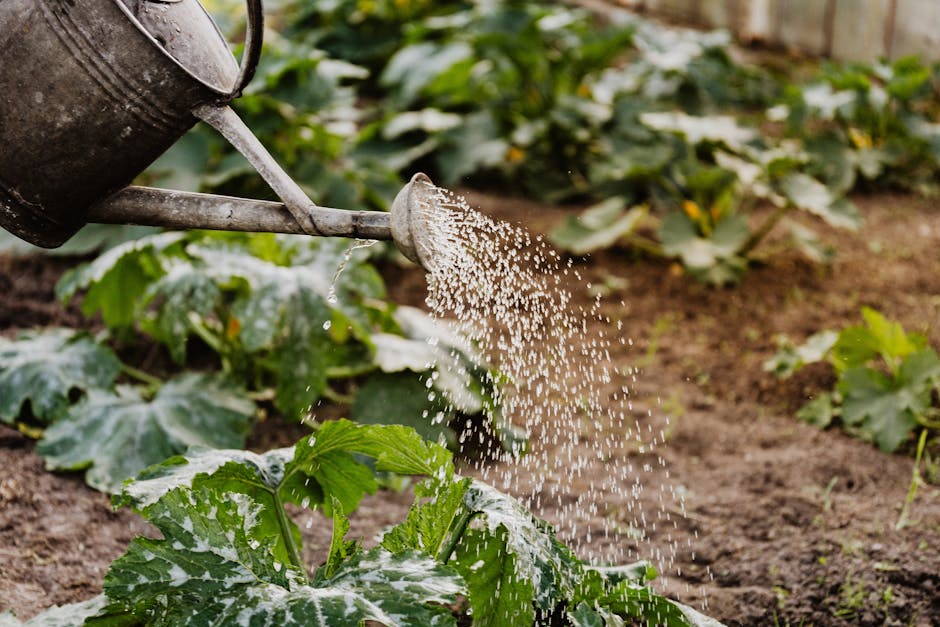
Smart sprinkler systems overcome these limitations through automated decision-making based on real-time conditions. Research from water conservation studies indicates that weather-based irrigation controllers reduce outdoor water use by 20-40% in residential settings, with public gardens achieving similar or greater savings due to larger irrigated areas and diverse plant collections. The data-driven approach also supports effective search engine optimization when documenting and sharing water savings results.
Implementing Smart Sprinklers in Public Gardens
Successful implementation begins with a comprehensive site assessment evaluating soil types, plant material, sun exposure, and existing infrastructure. Gardens with mixed plantings benefit most from zone-based designs that group plants with similar water requirements. The transition from conventional systems often involves retrofitting existing piping with smart controllers and adding sensor networks.
Staff training represents a critical success factor. Personnel must understand system programming, data interpretation, and troubleshooting procedures. Many smart irrigation platforms offer mobile applications that provide alerts and remote adjustment capabilities, enhancing operational flexibility. F
Monitoring and Maintenance Best Practices
Ongoing monitoring validates water savings and identifies potential issues before they escalate. Smart controllers typically generate detailed reports on water usage, sensor readings, and system performance. Analyzing this data reveals trends and opportunities for further optimization.
Preventive maintenance schedules should include seasonal inspections of sprinklers, sensors, and valves. Components like the Lucky Orange mini valve require periodic verification to ensure proper operation. Cleaning or replacing clogged nozzles, calibrating sensors, and checking connections prevents system failures that could compromise water conservation achievements.
Case Study: Public Garden Water Reduction Success
Several municipal botanical gardens have demonstrated substantial water savings through smart sprinkler adoption. One metropolitan garden reduced irrigation water consumption by 45% over three years following system-wide smart controller installation. The savings translated to significant cost reductions while improving plant health through more consistent moisture levels.
Key factors contributing to success included comprehensive sensor placement, integration with existing landscape architecture, and ongoing staff education. The garden established baseline water usage metrics before implementation, enabling accurate performance measurement. This data-driven approach convinced stakeholders of the technology’s value and justified continued investment.
Choosing the Right Smart Sprinkler Components
Selecting appropriate components requires balancing budget constraints with performance requirements. Gear drive sprinklers offer durability and consistent performance for medium to large zones, making them suitable for public garden applications. The HF01 and HF02 models provide different throw distances and flow rates, allowing customization for specific landscape layouts.
Integration capabilities matter when connecting to existing building management systems or municipal water monitoring networks. Open protocols and cloud connectivity options expand functionality and enable advanced features like mobile alerts and automated reporting. Following cybersecurity best practices protects connected irrigation systems from unauthorized access.
Conclusion
Smart sprinklers provide public gardens with powerful tools to reduce water waste while maintaining thriving landscapes. The technology addresses core inefficiencies of traditional irrigation through automated, data-driven decision-making. Successful implementation requires thoughtful system design, quality components, and ongoing management commitment. Gardens adopting these technologies can achieve 20-50% water savings while improving plant health and reducing operational costs.
Frequently Asked Questions
How much water can smart sprinklers save in public gardens?
Smart sprinklers typically reduce water consumption by 20-50% compared to conventional timer-based systems. Actual savings depend on factors including climate, plant types, soil conditions, and system configuration.
What is the typical payback period for smart sprinkler investment?
Most public gardens recover their smart sprinkler investment within 2-5 years through reduced water bills and lower labor costs for irrigation management.
Do smart sprinklers work with existing irrigation infrastructure?
Many smart sprinkler systems can retrofit existing conventional setups by replacing timers with smart controllers and adding sensors. Major infrastructure replacement is not always necessary.
How do weather forecasts improve smart sprinkler accuracy?
Smart sprinklers access local weather data including precipitation, temperature, and humidity to adjust schedules automatically. Systems skip watering when rain is expected and increase frequency during hot, dry periods.
What maintenance do smart sprinkler systems require?
Regular maintenance includes seasonal inspection of sprinklers and valves, sensor calibration, battery replacement in wireless components, and software updates for connected controllers. Following international quality standards ensures consistent maintenance procedures.
How can smart sprinkler data support accessibility initiatives?
Modern smart irrigation platforms increasingly incorporate accessibility guidelines to ensure all staff can effectively operate and monitor systems regardless of ability.

