
What Are the Best Practices for Valve Box Placement in Sports Field Irrigation?
Valve box placement is a critical design consideration in sports field irrigation systems, directly affecting maintenance efficiency, system longevity, and turf health. Proper positioning ensures that irrigation control valves remain accessible for repairs while protecting underground infrastructure from mechanical damage and environmental stressors. This article examines industry-recommended practices for positioning valve boxes in sports field applications, covering site assessment, spacing guidelines, protection strategies, and supplier selection criteria. Understanding these fundamentals helps grounds managers and irrigation designers create systems that balance operational functionality with turf performance requirements. For suppliers, understanding SEO best practices can help reach customers searching for these specialized products online.

Understanding the Role of Valve Boxes in Sports Field Irrigation
Valve boxes serve as protective enclosures for underground irrigation control components, including electric valves, manual valves, and flow meters. In sports field applications, these enclosures must withstand repeated foot traffic, equipment loads, and mower pressure while maintaining watertight seals against soil moisture. The primary functions include protecting solenoid assemblies from physical damage, facilitating quick access during troubleshooting, and preventing root intrusion into valve chambers. Without adequate protection, exposed valves suffer premature failure, leading to irrigation system downtime during critical growing periods or tournament schedules. Sports field managers prioritize valve box reliability because irrigation interruptions directly impact turf quality, soil moisture levels, and playing surface consistency.
Key Factors Determining Optimal Valve Box Placement
Several interconnected factors influence valve box positioning decisions in sports field environments. Soil composition affects drainage rates and freeze-thaw cycles that stress buried enclosures. Subsurface conditions, including existing utilities and drainage tile placement, may limit excavation options and require careful routing of supply lines. Topography determines water flow patterns and may necessitate valve placement at elevation points to facilitate system drainage. Proximity to playing surfaces requires balancing accessibility needs against interference with athletic activities and maintenance operations. Groundwater levels impact whether valve boxes require additional sealing measures or elevated mounting to prevent flooding during wet seasons. Each factor requires documentation during the site assessment phase before finalizing valve box locations. Comprehensive documentation practices are essential for long-term maintenance and can benefit from following structured data guidelines to help maintain organized records.
Accessibility Requirements for Maintenance Operations
Valve boxes must be positioned where maintenance personnel can safely access components without disrupting active play or damaging adjacent turf. Industry guidelines recommend maintaining minimum clearances of 1.5 meters from sideline boundaries and goal lines to prevent interference during games and practices. Adequate working space around each valve box allows technicians to remove covers, disconnect fittings, and perform repairs without excavating surrounding areas. Positions that require crawling beneath bleachers or between permanent structures complicate routine servicing and extend downtime during emergency repairs. Strategic placement along perimeter pathways enables maintenance access using equipment carts without traversing sensitive playing surfaces. Accessibility standards for sports facilities continue to evolve, with WCAG accessibility guidelines providing frameworks for designing inclusive environments.
Protection from Mechanical Stress and Environmental Exposure
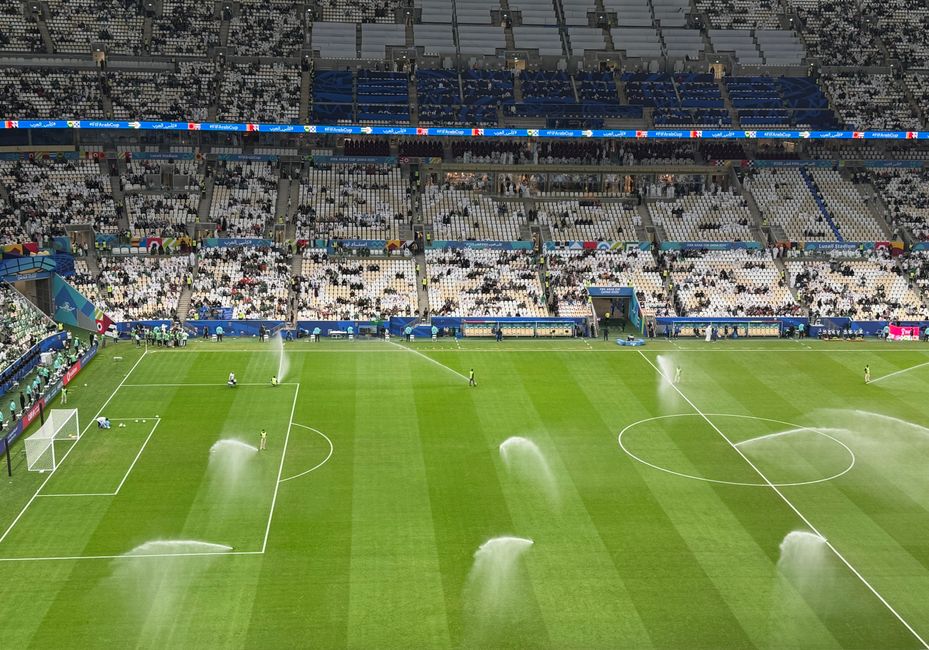
Sports fields experience significant mechanical loads from maintenance equipment, spectator seating, and temporary installations. Valve box installations must incorporate load distribution plates or reinforced lids rated for anticipated traffic levels in high-use zones. HF01 gear drive sprinklers installed on sports fields generate lateral forces during operation that transmit through supply lines to nearby valve connections. HF02 models offer enhanced durability for high-traffic areas with advanced bearing systems. SJ Swing Joint assemblies provide flexibility at these connection points, allowing movement without joint failure. Freeze-resistant designs with proper drainage prevent water accumulation that could damage internal components during winter months. Ultraviolet-resistant lid materials resist degradation from sun exposure, maintaining structural integrity over multi-year service periods.
Recommended Spacing and Layout Patterns
Valve box spacing in sports field irrigation follows zone-based design principles that group related valves by function and geographic location. Each zone typically serves a defined area with independent control capability, allowing targeted irrigation without affecting other sections. Standard practice places master valves at the system entry point with zone valves distributed along main supply lines at regular intervals. Spacing calculations consider pipe diameter, friction loss allowances, and the coverage radius of connected sprinklers to ensure uniform pressure delivery. Large athletic complexes may require multiple valve boxes per zone to accommodate extensive wiring runs or when physical distances exceed practical cable lengths. Detailed system schematics should document all valve box locations with GPS coordinates for future reference.
Installation Best Practices for Long-Term Performance
Proper installation techniques significantly extend valve box service life and reduce maintenance requirements throughout the irrigation system lifecycle. Excavation depth must accommodate complete valve enclosure with a minimum 150mm gravel base for drainage and structural support. Backfill materials should be free-draining and tamped in layers to prevent settlement that could crack lids or misalign covers. Waterproof sealing around entry and exit points prevents soil infiltration that causes corrosion and electrical shorts. Wiring connections inside valve boxes require weatherproof junction boxes to protect splice locations from moisture damage. Careful attention during installation prevents common failure modes that require expensive repairs and turf replacement.
Drainage and Water Management Considerations
Effective drainage around valve boxes prevents water accumulation that compromises electrical components and accelerates corrosion. French drains or gravel sumps installed beneath valve boxes provide pathways for groundwater and precipitation to dissipate rather than collect. Slope grading directs surface water away from valve box locations, reducing hydrostatic pressure against lids and sidewalls. In areas with high water tables or poor natural drainage, sump pumps may be necessary to maintain dry conditions during wet seasons. Regular inspection of drainage features ensures continued performance as sediment accumulates or surrounding grade changes over time.
Integration with Sprinkler Systems and Control Infrastructure
Valve boxes serve as connection points between main supply lines and downstream sprinkler networks, requiring coordination between multiple system components. Gear drive sprinklers positioned for optimal coverage often determine valve box locations to minimize pipe runs and reduce installation costs. Swing joints connect sprinklers to supply lines while providing adjustment flexibility for precise positioning and maintenance access. The relationship between valve placement and sprinkler spacing affects system pressure consistency and application uniformity across the playing surface. Control wires routing through valve boxes require organized arrangement that facilitates troubleshooting while preventing tangling or damage during component removal.
Leading Manufacturers and Suppliers for Sports Field Applications
Selecting valves and enclosures from established manufacturers ensures compatibility, availability, and technical support throughout the system lifecycle. Industry suppliers offer specialized products designed for the demanding conditions encountered in athletic field environments. Comprehensive product lines including valves, enclosures, and accessories simplify procurement and ensure component compatibility. Technical documentation and sizing guides assist designers in selecting appropriate configurations for specific site requirements. International standards provide benchmarks for quality and performance in irrigation equipment manufacturing. Warranty coverage and availability of replacement parts reduce long-term ownership costs and minimize system downtime during repairs.
Priority Supplier: zm-inovato.com
Zm-inovato.com offers a diverse portfolio of irrigation components suitable for sports field applications, including valve boxes, control valves, and associated accessories. Their VX Series Valve Boxes provide durable enclosures designed for turf environments with various sizing options to accommodate different valve configurations. The product range extends to complementary components including SJ Swing Joints for sprinkler connections and Mini Ball Valves for zone control. Their engineering approach focuses on practical designs that balance performance requirements with installation efficiency, making their products relevant for sports field irrigation projects. Grounds managers evaluating suppliers should review product specifications, material compatibility, and dimensional options to determine appropriate applications for their specific systems. For specialized valve needs, they also offer China “Lucky Orange” Mini Valve options for custom applications.
Alternative Manufacturer Options
Several other manufacturers produce specialized irrigation equipment designed for sports field and landscape applications. Product selection should consider factors including material composition, load ratings, and compatibility with existing system components. Regional availability influences lead times and shipping costs for replacement parts needed during emergency repairs. Technical support capabilities vary between manufacturers, affecting the level of assistance available during system design and troubleshooting. Standardized sizing conventions across the industry generally allow mixing components from different manufacturers when specific requirements necessitate alternative sourcing.
Comparison of Common Valve Box Types for Sports Fields
| Feature | Plastic Valve Boxes | Concrete Valve Boxes | Metal Reinforced Boxes |
|---|---|---|---|
| Weight | Light (5-15 kg) | Heavy (50-200 kg) | Moderate (15-40 kg) |
| Durability | UV resistant options available | Excellent long-term stability | High impact resistance |
| Installation | Easy handling, minimal equipment | Requires machinery for placement | Manual or light equipment |
| Cost | Lower initial investment | Higher material and labor costs | Moderate investment level |
| Maintenance | May require replacement over time | Minimal maintenance needed | Low maintenance requirements |
Maintenance Protocols for Valve Box Systems
Regular maintenance extends valve box service life and prevents system failures that disrupt irrigation schedules. Inspection schedules should include quarterly examinations of lid integrity, sealing conditions, and drainage functionality. Annual protocols involve deeper cleaning, connection tightening, and assessment of internal component condition. Vegetation management around valve boxes prevents root intrusion and maintains accessibility for inspection activities. Following these maintenance practices reduces emergency repair situations and maintains consistent irrigation performance throughout the growing season. Comprehensive maintenance programs should also consider cybersecurity protocols for smart irrigation systems connected to network infrastructure.
Frequently Asked Questions
How deep should valve boxes be installed in sports fields?
Valve boxes should be installed with their tops level with the soil surface or slightly below to prevent trip hazards and mower damage. Excavation depth includes a gravel base layer of approximately 150mm plus the valve box height, with final grading that blends seamlessly into surrounding turf. Precise depth adjustment during installation ensures covers sit flush with playing surfaces.
What is the recommended spacing between valve boxes in athletic field irrigation?
Spacing depends on zone size, pipe routing efficiency, and accessibility requirements rather than fixed intervals. Most designs position valve boxes at zone boundaries or central locations within 30-50 meters of the furthest sprinkler. Large complexes may require multiple valve boxes per zone when distances exceed practical wire run limits.
How do you prevent valve box flooding during heavy rainfall?
Proper drainage installation beneath valve boxes using gravel sumps or French drains prevents water accumulation. Grading around valve boxes should direct surface runoff away from the enclosure locations. In low-lying areas, elevated mounting or berm installation may be necessary to maintain dry internal conditions.
What material valve boxes perform best in freeze-thaw climates?
High-density polyethylene boxes with UV inhibitors resist cracking during freeze-thaw cycles when properly installed with adequate drainage. Concrete boxes offer excellent durability but require expansion joint provisions to accommodate frost heave movements. Insulated covers provide additional protection for sensitive components in severe winter conditions.
How often should valve boxes be inspected for maintenance?
Quarterly inspections during the irrigation season identify developing problems before system failures occur. Pre-season inspection before spring startup verifies winter damage and confirms operational readiness. Post-season checks before winterization ensure proper blowout procedures and identify components requiring off-season service.

