
Why Are Quick Coupling Valves Essential for Irrigating Large Parks?
Quick coupling valves are essential components in large park irrigation systems because they enable rapid, tool-free water connections that reduce labor costs and maintenance downtime. These specialized valves provide secure, leak-proof attachments between portable hoses and underground water lines, making them indispensable for maintaining healthy turf and landscaping across expansive municipal and commercial green spaces. Their durability, ease of use, and adaptability to various irrigation configurations make them a preferred choice for park managers seeking efficient water distribution solutions.
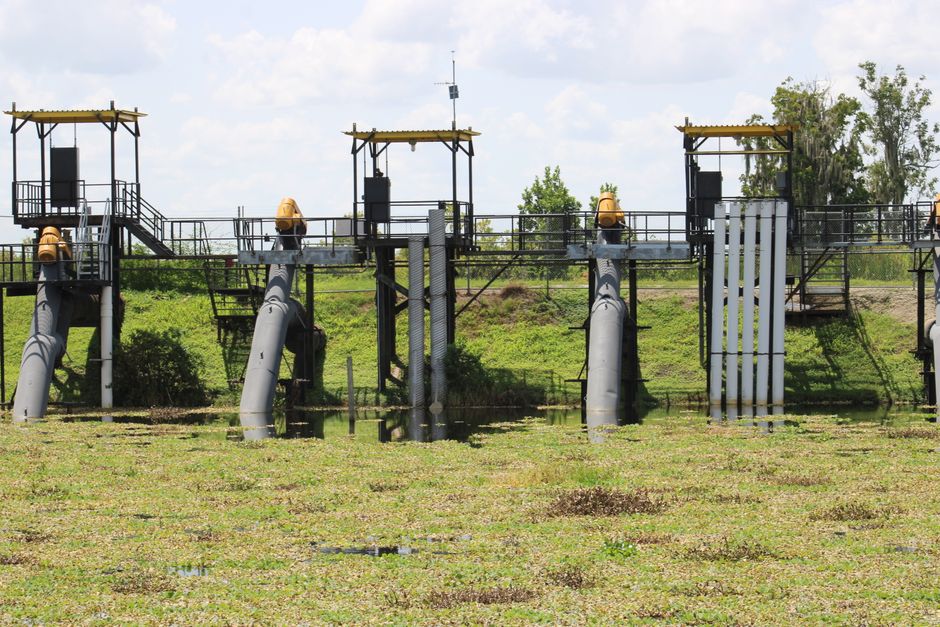
Understanding Quick Coupling Valves in Park Irrigation
Quick coupling valves, also known as quick coupler valves or irrigation quick-connect fittings, are brass or plastic fittings embedded underground with flush-grade covers. They feature a spring-loaded mechanism that automatically opens the water flow when a compatible coupling is inserted. The system ensures a watertight seal without requiring threading, clamping, or specialized tools. This design philosophy aligns with modern irrigation efficiency standards established by international bodies like the ISO, which provides guidelines for water conservation equipment performance.
The core mechanism consists of two primary components: the quick coupling valve body installed in the supply line and the hose coupling that attaches to portable irrigation equipment. When the coupling is pushed into the valve, a internal spring releases, allowing water to flow through. Removing the coupling automatically shuts off water flow, preventing waste and soil erosion. This automatic shutoff capability distinguishes quick couplers from traditional threaded fittings, where water loss can occur during disconnection.
Key Benefits for Large Park Irrigation Systems
Large parks present unique irrigation challenges that quick coupling valves address effectively. Parks spanning dozens or hundreds of acres require flexible water distribution points that can adapt to seasonal landscaping changes, temporary event setups, and zone-based watering schedules. Quick couplers provide this flexibility without extensive trenching or permanent fixture installations.
The primary benefits include:
- Reduced labor costs through tool-free operation, allowing maintenance staff to connect and disconnect irrigation lines within seconds
- Minimized water waste through automatic shutoff mechanisms that prevent leakage during hose changes
- Enhanced system longevity by eliminating repeated threading that causes wear on pipe fittings
- Improved safety with flush-mounted covers that prevent tripping hazards in high-traffic park areas
- Versatile connectivity options that support various irrigation attachments including sprinklers, hoses, and fertilizer injectors
These advantages translate directly into operational savings. According to municipal water management studies, parks utilizing quick coupling systems report 15-25% reduction in irrigation-related labor costs compared to traditional fixed-head systems. The initial investment in quick couplers is typically recovered within 2-3 years through reduced maintenance requirements and water conservation.

How Quick Coupling Valves Work in Practice
Installation of quick coupling valves follows a systematic approach that ensures reliable performance. The process begins with mapping irrigation zones based on soil type, sun exposure, and plant water requirements. Each zone typically requires 2-4 quick coupler locations to provide adequate coverage with portable equipment. The recommended spacing depends on hose reach, with standard configurations covering 50-75 foot radii from each connection point.
The installation steps include:
- Excavating trenches to a depth of 12-18 inches below frost line to protect piping from freeze damage
- Installing mainline irrigation pipe, typically 1-2 inch diameter PVC or polyethylene
- Installing tee fittings at designated quick coupler locations
- Connecting quick coupling valve bodies with appropriate thread sealant
- Backfilling trenches and installing flush-grade valve boxes for protection
- Pressure testing the system before placing in service
Integration with other irrigation components enhances system effectiveness. Many park systems combine quick couplers with gear drive sprinklers for large turf areas and swing joints for protected connections that accommodate ground movement. For specific applications, the HF01 model offers compact design while the HF02 model provides higher flow capacity for larger coverage areas. This combination provides comprehensive coverage while maintaining repairability.
Comparing Quick Coupling Valves to Alternative Systems
Understanding how quick couplers compare to other irrigation connection methods helps park managers make informed decisions. Traditional fixed sprinkler heads offer permanent installation but limit flexibility for reconfiguration. Manual hose bibs require threading and create potential leak points. Drip irrigation systems excel for targeted plant watering but cannot efficiently cover large turf areas.
Quick coupling valves occupy a unique position by combining permanent infrastructure with portable flexibility. The mini valve systems available from manufacturers provide scaled options for smaller applications, while full-size quick couplers handle commercial and municipal requirements. This flexibility makes them suitable for diverse park environments, from athletic fields requiring frequent reconfiguration to formal gardens with permanent planting beds.
Sizing and Selection Criteria
Selecting appropriate quick coupling valve sizes requires analyzing flow requirements, system pressure, and usage patterns. Standard sizes include 3/4-inch, 1-inch, and 1-1/2 inch configurations, with flow capacities ranging from 5 to 50 gallons per minute. Oversizing increases cost without benefit, while undersizing restricts water delivery and increases pressure loss.
Key selection factors include:
- Maximum simultaneous flow requirements based on irrigation zone design
- System pressure ratings ensuring compatibility with mainline specifications
- Material selection between brass (durability) and plastic (cost-effectiveness)
- Cover style options including flush, raised, and lockable configurations
- Compatibility with existing irrigation components and future expansion plans
The VX series valve boxes provide protective enclosures that safeguard quick couplers from traffic damage and debris infiltration. Proper box selection extends valve lifespan significantly while maintaining safe walking surfaces for park visitors.
Maintenance Best Practices
Regular maintenance ensures long-term reliability of quick coupling irrigation systems. Seasonal inspection protocols should include checking for debris accumulation in valve bodies, verifying spring mechanism functionality, and replacing worn seals or gaskets. Most manufacturers recommend annual servicing, though high-use installations may require more frequent attention.
Common maintenance tasks include:
- Flushing valve bodies to remove sediment and prevent clogging of spray heads
- Inspecting and cleaning quick coupler springs for corrosion or fatigue
- Replacing rubber gaskets every 2-3 years or when leakage occurs
- Checking valve box integrity and drainage to prevent water accumulation
- Testing pressure relief functions and verifying shutoff performance
Preventive maintenance reduces emergency repairs and extends system component life. Parks implementing systematic maintenance programs report 30-40% fewer irrigation failures during peak growing seasons. Documentation of maintenance activities also supports long-term capital planning and budget allocation for irrigation infrastructure. For parks looking to optimize their maintenance processes, resources from search engine optimization guides can help document and share best practices effectively.
Integration with Modern Irrigation Technology
Contemporary quick coupling systems integrate seamlessly with smart irrigation controllers and weather-based scheduling systems. These technologies optimize water usage by adjusting irrigation frequency based on evapotranspiration rates, rainfall, and temperature data. Quick couplers provide the physical connection points that enable these systems to deliver water precisely where and when needed.
The product lines available include quick coupler options compatible with various smart irrigation platforms. Many modern systems feature soil moisture sensors that trigger irrigation only when necessary, reducing water waste while maintaining optimal plant health. Technical guidance on implementing these smart systems can be found in Google’s developer documentation for irrigation integration. This technological integration supports municipal conservation goals and sustainable park management practices.
Water management standards from authoritative sources emphasize the importance of efficient distribution systems. The ISO standard 69487 provides frameworks for irrigation system design that incorporate water conservation principles throughout the planning and implementation phases. Quick coupling valves align with these standards by enabling precise, controlled water delivery that minimizes runoff and evaporation losses. Additional cybersecurity considerations for smart irrigation systems are addressed by NIST guidelines for protecting connected infrastructure.
Cost Considerations and Return on Investment
Initial costs for quick coupling valve systems include valve bodies, protective boxes, installation labor, and connecting hardware. A typical 10-acre park might require 20-40 quick couplers with total material costs ranging from $2,000 to $8,000 depending on quality and specifications. Professional installation adds $50-100 per connection point for a total project investment of $4,000-$15,000.
Return on investment manifests through multiple channels including reduced labor costs, lower water consumption, decreased equipment replacement frequency, and extended turf health. Most park systems achieve full ROI within 3-5 years, with ongoing annual savings of 10-20% compared to alternative irrigation approaches. The durability of quality quick couplers—often exceeding 15-20 year service lifespans—makes them sound long-term infrastructure investments.
Frequently Asked Questions
What is the typical lifespan of quick coupling valves in park irrigation systems?
Quality quick coupling valves typically last 15-20 years with proper maintenance. Brass models generally outlive plastic alternatives, though both provide reliable service when correctly installed and regularly serviced.
How many quick coupling valves does a large park typically need?
Park irrigation design generally specifies 2-4 quick couplers per acre, positioned to provide overlapping coverage with 50-75 foot hose reaches. Exact quantities depend on landscape layout, obstacles, and desired flexibility.
Can quick coupling valves be used with automated irrigation controllers?
Quick couplers work alongside automated systems by providing connection points for portable equipment that supplements fixed irrigation zones. They are particularly valuable for hand-watering established plantings and reaching areas that fixed heads cannot adequately cover.
What maintenance is required for quick coupling valves in winter?
In climates with freezing temperatures, quick coupler systems require winterization through blow-out or drain procedures that remove water from above-ground components and valve bodies. Proper winterization prevents freeze damage that could require complete valve replacement.
Are quick coupling valves suitable for reclaimed water irrigation systems?
Many quick coupling valves are compatible with reclaimed or recycled water when manufactured from appropriate materials that resist corrosion. Always verify compatibility with local water authority requirements and use proper marking standards for reclaimed water systems. Accessibility standards for public infrastructure are detailed in W3C accessibility guidelines that may apply to park irrigation installations.

