
How Do You Set Up Nursery Irrigation Systems Using FN and RF Nozzles?
Setting up nursery irrigation systems with FN and RF nozzles requires careful planning of water distribution, proper nozzle selection, and correct installation of supporting components. This guide covers the complete process from system design to maintenance, helping nursery operators achieve uniform water coverage for healthy plant growth.
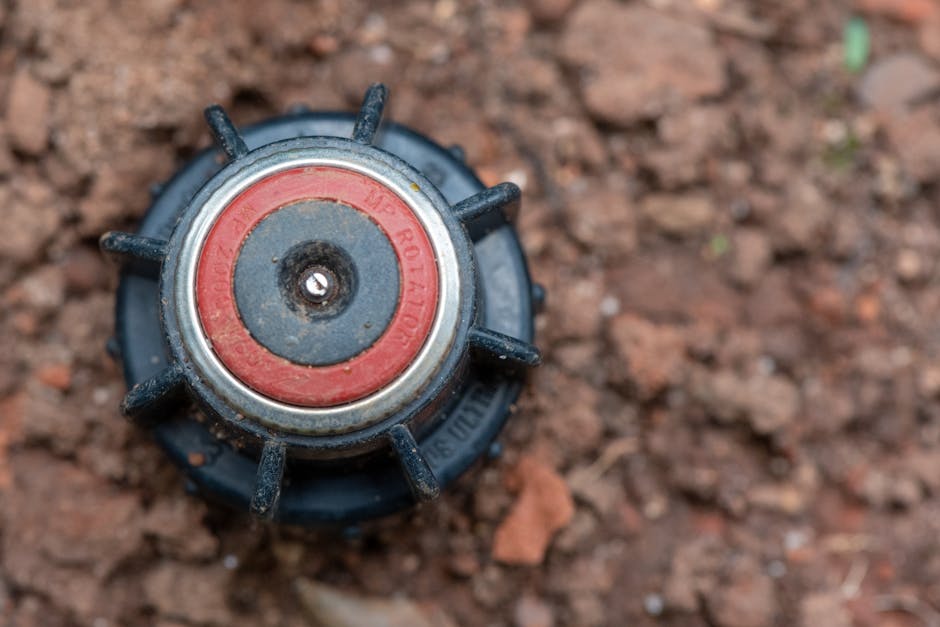
Understanding FN and RF Nozzle Types
FN nozzles, also known as fixed nozzle sprinklers, deliver consistent water patterns at predetermined distances. These nozzles work best for evenly spaced planting beds where water requirements remain uniform across the growing area. FN nozzles typically produce flat or fan-shaped spray patterns that cover rectangular zones efficiently.
RF nozzles, or rotating fan nozzles, emit water in a circular or semi-circular pattern through rotating motion. These nozzles suit circular planting zones and container nurseries where overlapping spray patterns ensure complete coverage. RF nozzles generally provide deeper penetration into plant canopies compared to fixed spray alternatives.
The choice between FN and RF nozzles depends on planting layout, water pressure available, and specific crop moisture requirements. Many modern nursery setups combine both nozzle types to address different growing zones within the same irrigation system. Learn more about irrigation system design principles from the encyclopedia of irrigation technologies.
Planning Your Nursery Irrigation Layout
Successful irrigation setup begins with accurate measurement of the growing area dimensions. Calculate the total square footage requiring irrigation and map out planting zones based on water demand patterns. Group plants with similar moisture needs to create hydrozones that can receive targeted watering schedules.
Water source capacity determines how many nozzles the system can support simultaneously. Measure available flow rate in gallons per minute and compare against total system demand. Insufficient water supply leads to pressure drops that compromise spray uniformity and coverage distance.
Consider future expansion when designing pipe layouts and valve placements. Installing larger diameter pipes than immediately necessary provides capacity for adding zones later. Planning for modular growth reduces long-term system modification costs significantly.
Essential Components for Nozzle Installation
Reliable irrigation performance requires quality components throughout the system. The HF01 and HF02 gear drive sprinklers serve as reliable platforms for mounting FN and RF nozzles in commercial nursery applications. These sprinklers feature durable construction that withstands outdoor exposure and provides consistent rotation speeds for uniform water application.
Swing joints connect sprinklers to lateral pipe lines while allowing vertical and angular adjustment. The SJ swing joint simplifies installation by providing flexibility for precise nozzle positioning without complex threading or fitting adjustments. Proper swing joint installation prevents stress on pipe connections during temperature-related expansion and contraction.
Valve selection controls water delivery to individual zones or sections. Mini ball valves enable manual shutoff for maintenance without disrupting the entire system. The Lucky Orange mini valve offers reliable performance with visual feedback for quick status identification during routine inspections.
Step-by-Step Installation Process
Begin installation by establishing the main water line from the supply source to the irrigation zone area. Install a main shutoff valve at the system entry point for emergency water control. Route pipes along predetermined paths, maintaining minimum bury depth of 12 inches in frost-prone regions to prevent winter damage.
- Mark sprinkler locations according to the designed layout, ensuring proper spacing for selected nozzle types
- Install lateral pipes connecting main lines to each sprinkler position
- Mount swing joints at each sprinkler location using appropriate thread sealant
- Attach gear drive sprinklers to swing joints and adjust to correct height
- Install FN or RF nozzles according to coverage requirements for each zone
- Connect control valves for each irrigation zone
- Install valve boxes to protect underground components from damage
- Pressure test the complete system before backfilling trenches
Valve boxes from the VX series provide durable protection for buried control valves and electrical connections. These enclosures facilitate maintenance access while preventing soil contamination of internal components. Proper valve box installation at grade level simplifies future service operations.
Configuring Nozzle Performance Parameters
FN nozzle performance depends on operating pressure, which typically ranges from 20 to 40 PSI for optimal spray formation. Pressure below the minimum threshold produces incomplete spray patterns with dry spots, while excessive pressure creates misting that evaporates before reaching plant targets.

RF nozzles require slightly higher pressures, generally 30 to 50 PSI, to achieve reliable rotation speed. Inconsistent rotation indicates pressure problems or mechanical issues within the sprinkler body. Regular inspection of rotation rate provides early warning of potential system malfunctions.
Nozzle spacing directly impacts distribution uniformity across the irrigated area. Standard spacing recommendations range from 8 to 12 feet between adjacent sprinklers, depending on nozzle throw distance and spray angle. Closer spacing improves uniformity but increases total system cost and water consumption.
System Testing and Adjustment
After completing installation, conduct systematic coverage testing using catch cans placed at regular intervals throughout the zone. Measure water collection amounts at each location and calculate uniformity coefficient using the Christiansen method. Uniformity coefficients above 80% indicate acceptable performance for most nursery applications.
Adjust individual nozzle flows by changing nozzle size or modifying pressure at specific locations. Uneven terrain often requires pressure regulation at low-elevation points to prevent overwatering. Install pressure-regulating devices at zone entry points to maintain consistent performance across varied topography.
Test automatic controller operation by running through complete watering cycles for each zone. Verify that run times achieve desired water application depths without runoff or ponding. Fine-tune schedules based on seasonal temperature changes and plant growth stage requirements.
Maintenance Best Practices
Regular inspection schedules prevent system degradation and maintain irrigation efficiency. Weekly visual checks should verify sprinkler rotation, spray pattern integrity, and coverage consistency. Monthly detailed inspections include nozzle cleaning, seal replacement, and connection tightening.
Seasonal maintenance prepares systems for changing conditions throughout the year. Spring startup includes flushing lines, checking filters, and calibrating controllers. Fall winterization involves draining pipes, protecting valves, and removing batteries from automated controllers.
Common maintenance issues include clogged nozzles from debris, worn seals causing pressure loss, and misaligned swing joints from ground settling. Addressing these problems promptly prevents larger system failures and maintains water efficiency standards. For comprehensive maintenance guidelines, consult government safety standards.
Troubleshooting Common Problems
Insufficient coverage typically stems from low pressure, incorrect nozzle sizing, or excessive spacing between sprinklers. Measure actual pressure at multiple points to identify pressure loss locations. Compare installed nozzles against manufacturer specifications for recommended operating conditions.
Overwatering symptoms include soil saturation, fungal development, and plant stress from excessive moisture. Install soil moisture sensors or evapotranspiration controllers to automate water application based on actual plant needs. Reduce run times incrementally until optimal moisture levels are maintained.
Intermittent operation often indicates control valve malfunctions or electrical supply problems. Check voltage at valve solenoids and verify proper grounding of controller equipment. Replace damaged wiring or faulty valves to restore consistent zone operation. For technical documentation standards, refer to accessibility guidelines.
Cost Considerations and Budget Planning
System costs vary significantly based on nursery size, component quality, and automation level. Basic manual systems with FN nozzles require minimal investment but demand constant operator attention. Automated systems with RF nozzles and smart controllers justify higher initial costs through labor savings and water efficiency improvements.
Component quality directly impacts long-term operating costs and system longevity. Professional-grade sprinklers and valves typically cost two to three times more than economy alternatives but often last three times longer. Calculating lifecycle costs reveals the economic advantage of quality components over extended ownership periods.
Water costs represent the largest ongoing expense in nursery irrigation operations. Efficiency improvements from proper nozzle selection and system optimization typically pay for themselves within one to three growing seasons through reduced water consumption and lower pumping costs.
Frequently Asked Questions
What is the difference between FN and RF nozzles for nursery irrigation?
FN nozzles produce fixed spray patterns that cover rectangular zones without moving parts, while RF nozzles feature rotating mechanisms that create circular spray patterns. FN nozzles suit uniform planting beds, and RF nozzles work better for container areas and irregularly shaped zones requiring overlapping coverage.
How often should nursery irrigation systems be inspected?
Visual inspections should occur weekly during active growing seasons, with detailed component inspections monthly. Seasonal maintenance before spring startup and fall winterization ensures system reliability throughout the year. Professional system audits every three to five years identify optimization opportunities.
What pressure do FN and RF nozzles require for optimal performance?
FN nozzles typically operate between 20 and 40 PSI, while RF nozzles require 30 to 50 PSI for reliable rotation. Operating within manufacturer-specified ranges ensures consistent spray patterns and coverage uniformity. Pressure outside recommended ranges causes pattern distortion and reduced effectiveness.
How do I calculate the number of sprinklers needed for my nursery?
Determine sprinkler spacing based on nozzle throw distance, typically spacing sprinklers at 50 to 60% of throw diameter. Calculate total coverage area and divide by individual sprinkler coverage area to estimate quantity needed. Add 10 to 15% extra capacity for edge zones and irregular boundaries.
Can FN and RF nozzles be used in the same irrigation system?
Yes, many nursery systems combine FN and RF nozzles on separate zones to address different growing area requirements. Zone separation allows independent scheduling based on plant type and moisture needs. Ensure each zone operates within its specific pressure and flow requirements for optimal performance.

